Regions and Craft
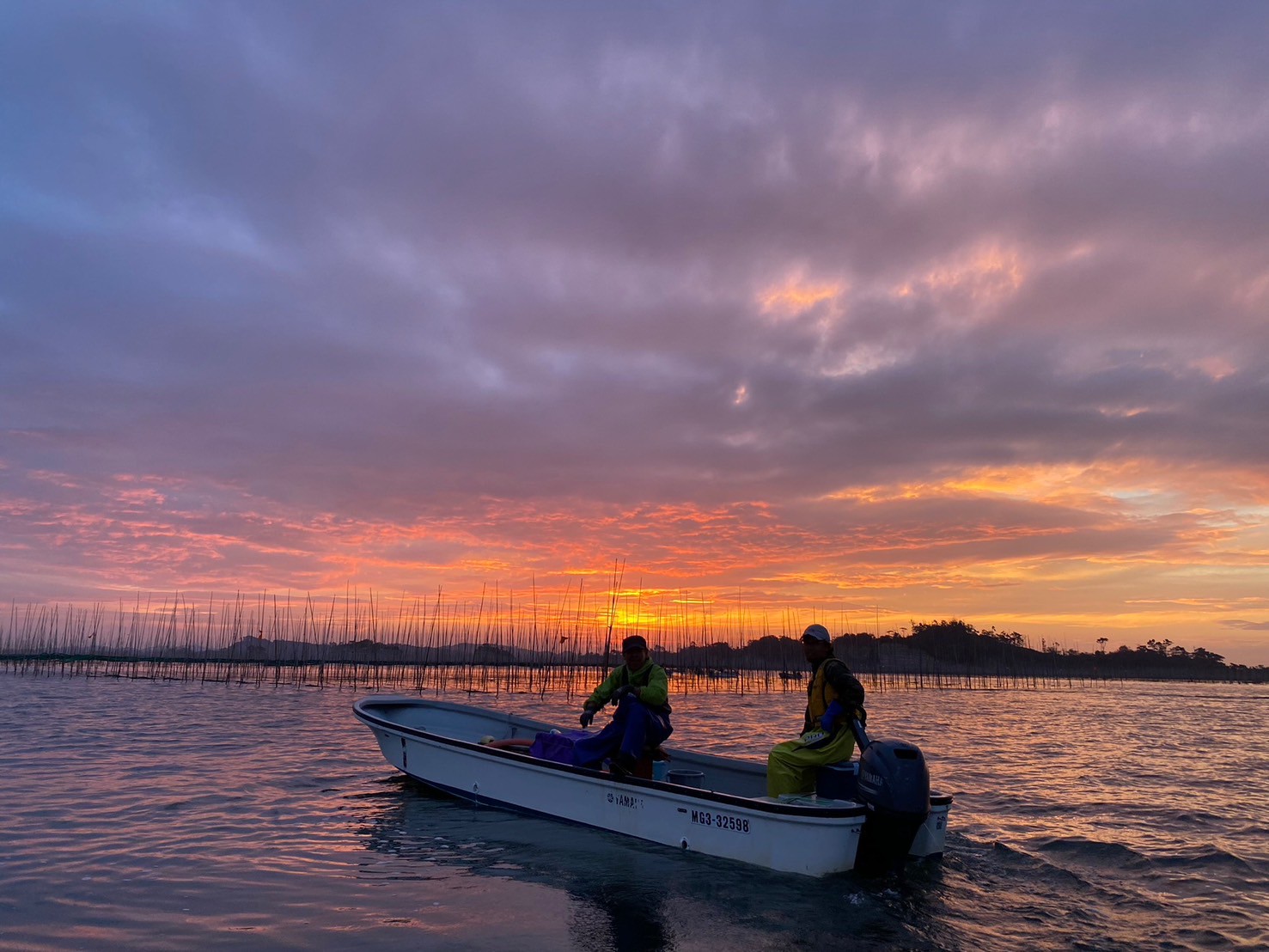
On Rebun Island, off Hokkaido’s northern tip, wild rishiri konbu grows in cold currents that give the kelp its density and umami. Ishihara Yutaro harvests it by hand, alone, on a schedule set by ocean and weather.
In Miyagi, four producers work across entirely different materials. Koike Yuki cultivates nori off the Sanriku Coast, harvesting when water drops below 23°C. Goto Hidetoshi makes miso using a double-koji method passed through four centuries. Sato Mitsuhiro’s koji workshop carries a mould strain that survived the 2011 tsunami. Endo Toshifumi draws six fermentation expressions from tea trees over two hundred years old.
In Fukuoka, Nakagawa Takuya brews sake at Shigemasu with mountain water that feeds Yame’s tea cultivation. Matsuura Naoto grows heritage rice in paddies that sustain a living ecosystem — insects, frogs, birds in the channels.
In Tochigi, Inoue Hiroshi at Sawahime sources every element of production from within the prefecture.
In Okinawa, Ikehara Ayako distils awamori at Yanbaru Shuzo with water from a protected mountain spring. Yamagami Manabu shapes pottery from the island’s coral and volcanic soil.
In Okutama — a mountain valley west of Tokyo — a wasabi grower, a swordsmith, and a sake brewer work within walking distance, drawing from the same streams.
The place creates the product.
The Producer Network
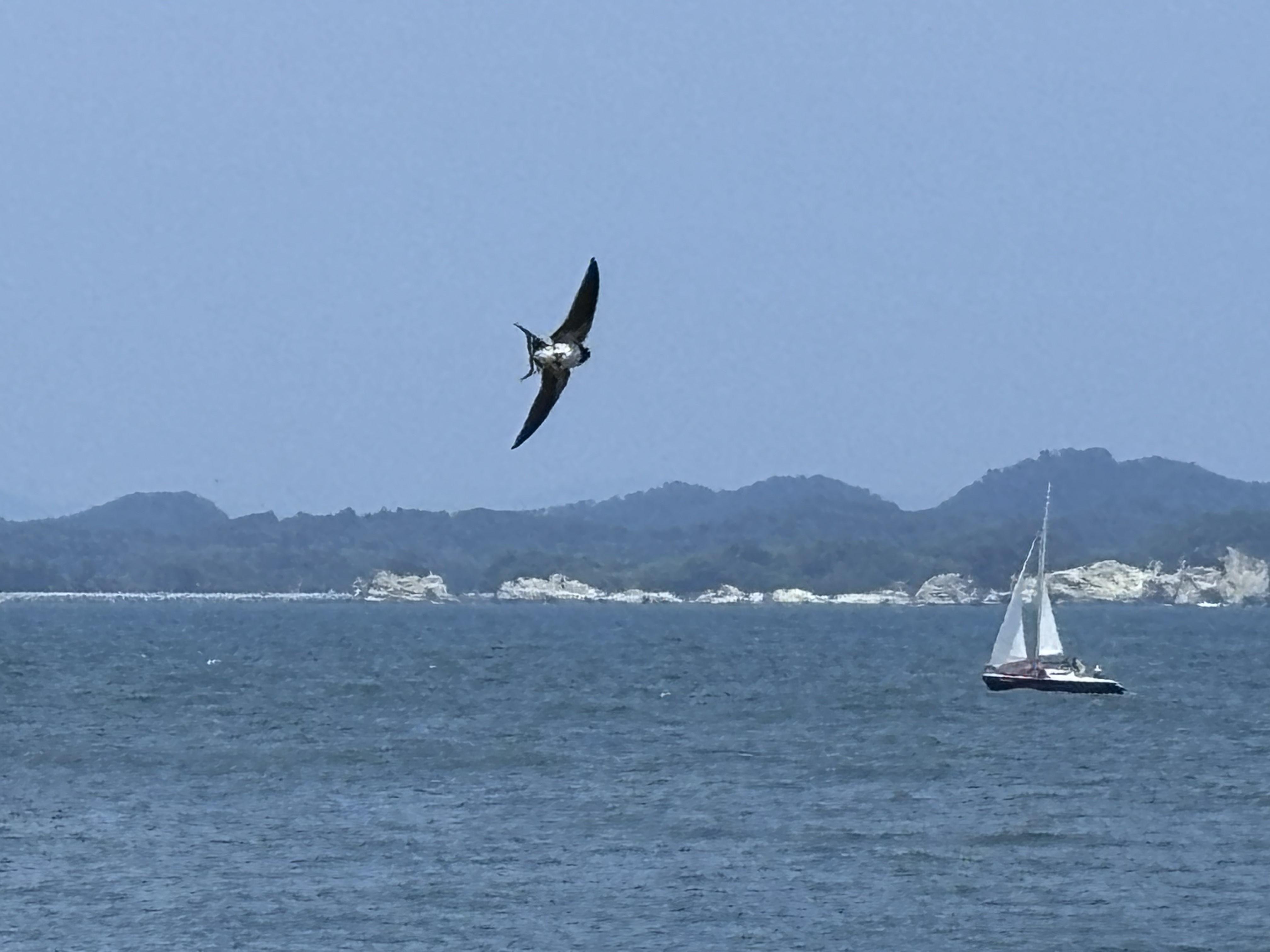
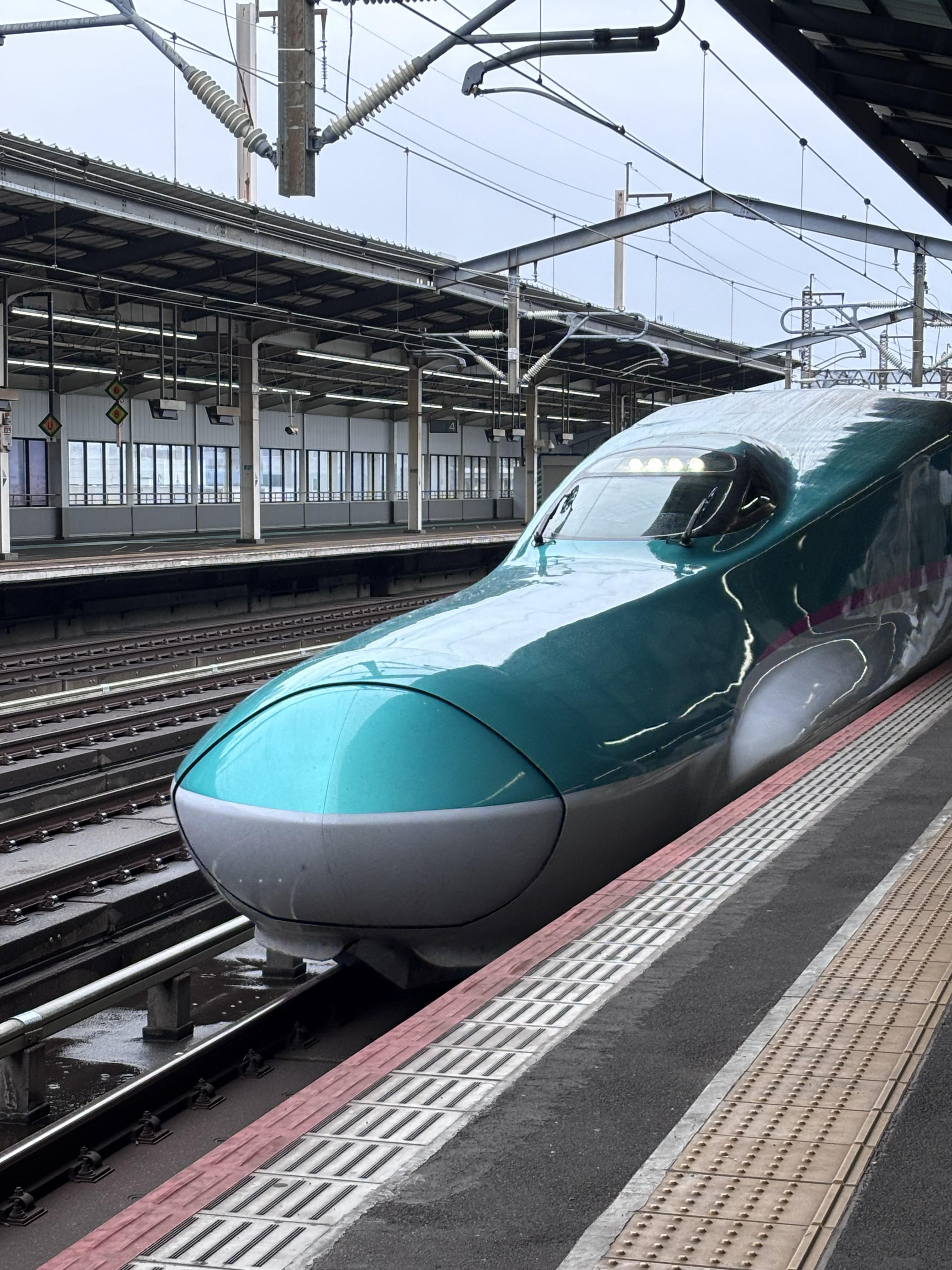
These relationships formed gradually — through visits to workshops, breweries, and farms across Japan over several years. Many producers operate quietly. Volumes are modest. Distribution often stays within Japan.
The network spans seven prefectures, Hokkaido to Okinawa. What connects them: person-scale production, place-tied methods, craft over volume.
Why Visit Producers
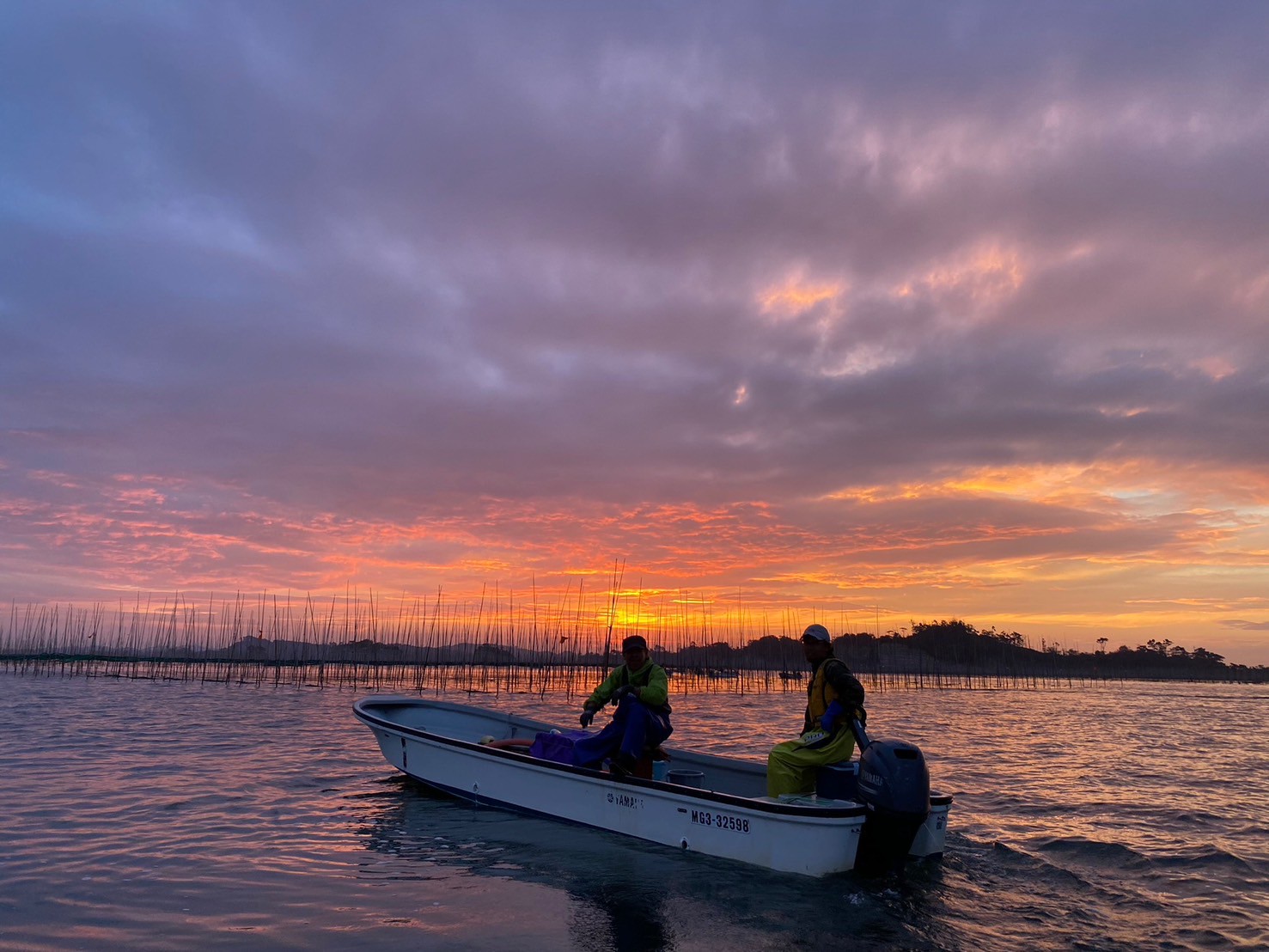
Understanding these practices means standing inside the workshop. A visit is not a tour — it begins where work is already happening. The producer continues the day’s routine. The visitor observes, asks questions, handles materials directly.
In a fermentation house, scent fills the air before the barrels come into view. At the coast, racks of drying nori line the shed. In a wasabi field, mountain water flows through narrow channels while plants grow slowly in gravel beneath shade. The grower explains the difference by handing you a root and a grater.
Conversations begin beside the equipment — a barrel, a drying rack, a fermentation vat. The object becomes the language. Photographs capture fragments. Presence reveals the rest.